
Maldives Snorkeling Guide: Best House Reefs, Marine Life & Resorts
Updated August, 2026
Snorkeling in the Maldives is one of the easiest ways to experience the country’s extraordinary marine life without scuba diving. Many islands have reefs just steps from the beach, while guided boat trips can take you to manta rays, whale sharks, turtles, reef sharks, colorful coral gardens, and other marine-rich sites.
The best snorkeling experience depends on what you want to see. Resorts with excellent house reefs are ideal for easy, independent snorkeling and frequent encounters with reef fish, turtles, rays, and sharks. South Ari Atoll is renowned for whale shark encounters, while Baa Atoll is famous for seasonal manta ray activity around Hanifaru Bay. Local islands such as Dhigurah, Ukulhas, and Thoddoo can also offer excellent snorkeling at a more accessible price point.
This Maldives snorkeling guide brings together the best house reefs, snorkeling resorts, local islands, marine-life encounters, seasonal conditions, equipment advice, and safety tips. Whether you are a first-time snorkeler, traveling with children, or planning your trip around whale sharks or manta rays, use this guide to find the right places and the best way to explore the reefs in 2026.
Maldives Snorkeling at a Glance
| Question | Quick Answer |
|---|---|
| Best overall snorkeling | House reefs at dedicated snorkeling‑focused resorts |
| Best time of year (visibility) | December–April (dry season, calm seas, 20–40 m visibility) |
| Best for manta rays | Baa Atoll, especially Hanifaru Bay (June–November for feeding frenzies) |
| Best for whale sharks | South Ari Atoll (year‑round, but peak Dec–April) |
| Best for beginners | Resorts with shallow, sheltered house reefs (<2 m depth, sandy entries) |
| Best time of day | Early morning (7–9 am) – calmest winds and clearest water; also late afternoon for different light |
| Need scuba certification? | No – snorkeling is accessible to everyone |
| Water temperature | 27–30°C (80–86°F) year‑round – rash guard or light wetsuit optional |
| Tides & currents | Tidal currents can be strong – always check resort tide charts; slack tide is safest |
| What to wear | Reef‑safe sunscreen, rash guard / UV shirt, snorkel vest (if unsure), fins, and water shoes for rocky entries |
| Marine life highlights | Turtles, reef sharks, eagle rays, Napoleon wrasse, parrotfish, and 1,000+ fish species |
| Coral condition | Best on outer reef slopes; many resorts have active coral restoration projects |
| Off‑resort excursions | Liveaboards and day trips to uninhabited islands often have healthier, less‑visited reefs |
| Safety tip | Never touch coral, stay hydrated, and use a buoy / dive flag if snorkeling without a guide |
| Alternative season (wet) | May–November – lower visibility but manta and whale shark aggregations peak in certain atolls |
⚡ Quick Navigation

Best Snorkeling in the Maldives
The Maldives are among the world’s top snorkeling destinations – and for good reason. Year‑round warm water (27–30°C / 80–86°F), exceptional visibility, and vibrant coral ecosystems make it a paradise for both first‑timers and seasoned ocean lovers. The biggest draw? You don’t need scuba certification or deep‑water skills – almost all marine life, from sea turtles and reef sharks to eagle rays and even whale sharks, can be seen just below the surface.
House reef vs. boat excursion
Most resorts have their own house reef – a living coral wall accessible directly from the beach or jetty. This is the most convenient option: you can snorkel anytime, free of charge, at your own pace. Boat excursions, on the other hand, take you to outer atolls, channels, or uninhabited islands where reefs are less frequented and often richer in pelagic species (mantas, whale sharks, and larger schools of fish). A smart approach: start your day with a house‑reef session and book 1–2 boat trips for the highlights.
Visibility
Dry season (December–April) offers the clearest water, with visibility ranging from 20 to over 40 metres (65–130 ft). Even during the wet season (May–November), visibility remains decent (10–20 m), though plankton blooms may reduce clarity – but they also attract mantas and whale sharks.
Marine life
Expect over 1,000 fish species, five species of sea turtles, reef sharks, moray eels, Napoleon wrasse, and spectacular coral formations. Baa Atoll is famous for manta aggregations, while South Ari Atoll is the go‑to spot for year‑round whale shark encounters.
Who is it for?
Snorkeling in the Maldives suits everyone – families with children (resorts with shallow lagoons), casual swimmers (calm, sheltered reefs), and advanced snorkelers (strong currents and drift snorkeling on outer reef slopes). Resorts often provide guides, vests, and daily briefings, so even complete beginners can enjoy it safely.
Best Maldives House Reefs
The Maldives is home to hundreds of coral reefs, but the quality and accessibility of house reefs vary considerably from one resort to another. The best house reefs make it possible to snorkel directly from the island and encounter colorful reef fish, sea turtles, rays, reef sharks, and healthy coral without joining a boat excursion.
When choosing a resort for snorkeling, look beyond the resort’s overall luxury rating. Consider how easily you can reach the reef from the beach or jetty, whether the reef has shallow areas for beginners, what marine life is commonly seen, and how conditions change with tides, wind, and season. Some house reefs are particularly good for turtles and rays, while others are known for sharks, deeper reef walls, or exceptional coral gardens.
Below, we highlight the Maldives resorts with notable house reefs, followed by more detailed guides to help you compare individual snorkeling experiences.
Best House Reefs at a Glance
| Resort | Atoll | Best For | Marine Life Highlights | Access |
|---|---|---|---|---|
| NH Collection Havodda | Gaafu Dhaalu | Pristine, unbleached coral gardens | Turtles, stingrays, blacktip/whitetip sharks, octopus, eagle rays, moray eels, cuttlefish, dolphins | Nearly current-free, multiple entry points around the entire island; safe for all levels |
| Dusit Thani Maldives | Baa Atoll | 360° wrap-around reef & big marine life | Green turtles (daily), blacktip reef sharks, nurse sharks, eagle rays, moray eels, dolphins, titan triggerfish | Reef surrounds the whole island; stairs from overwater villas directly into water; swim 10–15 m to drop-off |
| Lily Beach Resort | South Ari Atoll | Two distinct reef sides (north/south) | Sharks (daily), rays, moray eels, turtles, octopus, whale sharks & mantas (seasonal – South Ari is a marine protected area) | South side: dramatic drop-off, stronger current ("conveyor belt"); North side: calmer, beginner-friendly beach access |
| Veligandu Island Resort | North Ari Atoll | "Fish soup" – highest density of marine life | Green/hawksbill turtles (almost daily), blacktip reef sharks, eagle rays, Napoleon wrasse, moray eels, octopus, stingrays, dolphins | Reef close to shore; sandbank at southern end is the top spot (20 m from the pier) |
| The Residence Dhigurah | Gaafu Alifu | Guaranteed turtle encounters ("Turtle Highway") | Turtles (every single day), blacktip reef sharks (nursery), eagle rays, manta rays, stingrays, moray eels, dolphins | "Villa step-in" – roll off your deck; jetty by Dive Centre offers ladder entry; bridge to sister island creates a nutrient-rich channel |
| Ayada Maldives | Gaafu Dhaalu | 360° healthy coral with immediate access | Blacktip reef sharks, nurse sharks, eagle rays, sea turtles, stingrays | Vibrant reef begins meters from shore; from overwater villas just a few strokes away |
| Eri Maldives | North Malé | Honest "bleached but busy" reef with incredible fish density | 14 resident hawksbill turtles, whitetip/blacktip reef sharks, nurse sharks, mobula/eagle rays, giant trevally, thousands of fusiliers | Swim around the entire island in under an hour; reef accessible from shore |
| COMO Cocoa Island | South Malé | Biodiversity & conservation-focused snorkeling | 200+ fish species, hawksbill turtles, eagle rays, reef sharks, mantas (seasonal, 5–10 daily on house reef) | Snorkel within minutes from villa's private ladder; sheltered lagoon for beginners |
| Kandolhu Maldives | North Ari Atoll | Intimate, all-around reef with easy shore access | Blacktip/whitetip reef sharks (all around), nurse sharks, hawksbill turtles, eagle rays, moray eels, snappers, fusiliers | Reef begins meters from the beach; step off the sand or use the jetty; no boat needed |
| Outrigger Maldives | South Ari Atoll | Big marine life & dramatic drop-offs | Hawksbill/green turtles, blacktip reef sharks (abundant), eagle rays, whale sharks (seasonal), octopus, moray eels, nurse sharks | Reef rings the island; sandy "cuts" for easy entry/exit; overwater villas with direct access |
| Emerald Faarufushi | Raa Atoll | Jetty-side viewing & channel action | Blacktip/whitetip reef sharks, eagle rays, sea turtles, moray eels, octopus | Drop-off jetty provides front-row access to deep channel; Eclipse Bar offers underwater lights for night viewing |
| The Standard, Huruvalhi | Raa Atoll | Ocean villas (1–16) – top marine life hotspot | Turtles, blacktip reef sharks, nurse sharks, eagle rays, manta rays (conditions permitting) | Ocean villas closest to the reef; strong currents require caution; safety rope available on request |
🪸 House Reefs in North Malé Atoll


🪸 House Reefs in South Malé Atoll


🪸 House Reefs in Ari Atoll


🪸 House Reefs in Baa Atoll


🪸 House Reefs in Other Atolls


Best Time to Snorkel in the Maldives
The best time to snorkel in the Maldives depends on whether you prioritize clear water, calm conditions, or encounters with specific marine life. December to April generally brings drier weather and better underwater visibility, while the wetter months can bring nutrient-rich waters that attract manta rays and whale sharks in some atolls. House reefs can be snorkeled year-round, but local conditions vary with wind, currents, tides, and recent weather.
Use the seasonal guide below as a starting point, then check the conditions and marine-life patterns for your specific atoll or resort before planning a snorkeling trip.
Seasonal Snorkeling Calendar
| Period | Conditions | Best For |
|---|---|---|
| December – April (Dry / NE Monsoon) | Calm seas, minimal rainfall, light winds; visibility reaches 20–40 m (65–130 ft); water temperature 28–30°C | Overall visibility, vibrant coral colours, reef fish activity, turtles, and eagle rays; ideal for beginners and photography |
| May – November (Wet / SW Monsoon) | More rain and overcast skies, but plankton blooms thrive; visibility drops to 10–20 m (33–65 ft); water temperature 27–29°C | Manta rays and whale sharks – plankton attracts them in huge numbers; South Ari Atoll (whale sharks year-round, peak now) |
| June – October (Peak Wet) | Stronger currents, choppier seas, frequent short showers; plankton reaches maximum density | Manta feeding frenzies in Baa Atoll – especially Hanifaru Bay, where dozens of mantas gather to feed; also best for sightings of whale sharks in South Ari |
| January – February | The driest, calmest months; peak tourist season | Glass-clear water and postcard-perfect conditions – snorkeling any house reef feels like floating in an aquarium |
| March – April | Transitioning to wet season; still mostly dry with occasional plankton increase | Last chance for peak visibility before plankton arrives – coral spawning sometimes occurs, adding extra magic |
| Year-Round | Conditions vary by atoll, tide, and daily weather | House reef snorkeling – your resort's reef is always accessible and offers consistent marine life (turtles, sharks, reef fish) regardless of season |
Quick Pro Tips by Season
-
Dry season (Dec–Apr): Start early when conditions are calmest and visibility is often at its best. Check local wind, tide and reef conditions before entering the water.
-
Wet season (May–Nov): Check daily weather, tide and current conditions. For manta or whale shark excursions, follow the advice of local guides, who know the best sites and conditions that day.
-
Shoulder months (May & November): Conditions can be variable, but these months can offer a good balance of visibility, fewer crowds and seasonal marine-life encounters.
What Marine Life Can You See While Snorkeling?
The Maldives offers some of the world’s most rewarding snorkeling, with marine life ranging from colorful reef fish and sea turtles to manta rays, reef sharks, and whale sharks. What you encounter depends on the atoll, season, reef conditions, and whether you are snorkeling from a house reef or joining a boat excursion.
Some species are common around many resort islands, while others are associated with particular habitats or seasonal conditions. The marine life below represents some of the most memorable encounters you can expect while snorkeling in the Maldives.


Snorkeling with Whale Sharks in the Maldives
Snorkeling with whale sharks is one of the Maldives’ most memorable marine experiences. These gentle giants can be encountered in several parts of the country, but **South Ari Atoll** is the best-known destination for year-round whale shark sightings. Unlike scuba diving, snorkeling allows you to observe whale sharks from the surface as they move through the warm waters around the atoll.
Whale sharks are wild animals, so sightings can never be guaranteed. Encounters depend on location, weather, sea conditions, and the movements of individual sharks. The best approach is to join a responsible excursion with an experienced local guide who can help locate the animals while keeping a respectful distance.
Best Places for Whale Shark Snorkeling
South Ari Atoll is the Maldives’ leading destination for whale shark encounters, with excursions available from resorts and local islands such as Dhigurah and Maamigili. Other atolls can also offer sightings, but South Ari is particularly well known for consistent year-round encounters.
When Is the Best Time?
Whale sharks can be encountered in South Ari Atoll throughout the year. Sightings are influenced by plankton availability, currents, weather, and the movements of individual sharks rather than a single guaranteed season.
Whale Shark Snorkeling Tips
- Follow your guide’s instructions and maintain a respectful distance.
- Never touch, chase, block, or attempt to ride a whale shark.
- Avoid using flash photography when snorkeling close to the animal.
- Choose operators that follow responsible wildlife-viewing practices.
- Be prepared for conditions to change and sightings to vary from one excursion to another.
**Planning a whale shark encounter?** Explore our guide to the **best Maldives whale shark experiences and South Ari Atoll snorkeling spots**.
South Ari MPA Year-Round Whale Sharks Guide →Snorkeling with Manta Rays in the Maldives
Snorkeling with manta rays is one of the most spectacular marine encounters in the Maldives. These graceful rays can gather in large numbers where plankton-rich currents create ideal feeding conditions, and snorkeling allows you to watch them from the surface as they glide, circle, and sometimes pass remarkably close to swimmers.
Baa Atoll, particularly Hanifaru Bay, is the Maldives’ best-known destination for seasonal manta ray encounters. During the southwest monsoon, nutrient-rich waters can attract large numbers of mantas to the area. Other atolls and resort reefs also offer manta encounters, including at cleaning stations where individual rays may return regularly.
Best Places for Manta Ray Snorkeling
Hanifaru Bay in Baa Atoll is the standout destination for large seasonal gatherings of manta rays. However, manta encounters are not limited to Baa Atoll. Resorts and local islands in other atolls may offer snorkeling trips to manta cleaning stations and feeding areas, depending on the season and local conditions.
When Is the Best Time?
The main manta season in Baa Atoll is generally during the southwest monsoon, particularly from June to October, when plankton-rich waters can attract large aggregations. Exact conditions vary from year to year, so sightings are never guaranteed.
Manta Ray Snorkeling Tips
- Follow local guides and marine-life viewing rules.
- Never touch, chase, or block a manta ray’s path.
- Give feeding mantas plenty of space and allow them to approach naturally.
- Use reef-safe sunscreen and avoid standing on or touching coral.
- Check daily sea and weather conditions before joining an excursion.
- Choose responsible operators that prioritize marine-life conservation.
Manta rays can also be encountered at resort house reefs and cleaning stations outside Hanifaru Bay, making the Maldives one of the world's best destinations for observing these remarkable animals while snorkeling.
Guide to Manta Rays in the Maldives →Best Local Islands for Snorkeling
Local islands offer a different way to experience snorkeling in the Maldives, combining access to reefs and marine-life excursions with a more independent and often more affordable style of travel. The best island depends on whether you want easy house reef snorkeling, whale shark encounters, manta trips, or access to several nearby reef sites.
Below, we highlight some of the strongest local-island bases for snorkeling and link directly to our detailed island guides, where you can compare beaches, reefs, excursions, accommodation, transport, and other practical details.
🦈🐬 Best Islands for Whale Shark & Manta Ray Snorkeling


🤿🐠 Best Islands for House Reef Snorkeling
Explore More Local Islands →


Is Snorkeling in the Maldives Suitable for Beginners?
Yes. Snorkeling in the Maldives can be suitable for beginners, especially at resorts and islands with shallow lagoons, easy reef access, and calm conditions. You do not need scuba-diving certification to snorkel, and many resorts provide masks, fins, and flotation equipment or offer guided snorkeling trips for first-time visitors.
However, conditions vary considerably between reefs. Some sites have deeper water, currents, waves, or reef edges that are better suited to confident swimmers. Beginners should start in calm, shallow water, stay within their comfort level, and follow local safety advice. Families with children should choose snorkeling locations specifically suited to their age and swimming ability rather than assuming every house reef is suitable.
Snorkeling Suitability by Traveler Type
| Category | Suitability | Key Considerations & Tips |
|---|---|---|
| Beginners (first‑time snorkelers) | ✅ Very suitable – with the right location and conditions | Choose resorts with sheltered, shallow-entry house reefs. Check daily local conditions (tide, wind, currents) at the resort's dive or water sports center. Stay within designated swimming zones and start with a guide for your first session. |
| Non‑swimmers | ⚠️ Possible only with strict safety measures | Must wear a properly fitted life jacket / snorkel vest and stay in very shallow, protected areas with minimal waves or currents. Never go beyond standing depth. Hire a private guide or join a supervised resort session. |
| Children | ✅ Yes – with close adult supervision | Best for kids comfortable in water. Choose shallow, sandy-entry spots with no steep drop-offs. Use properly fitted, child-sized snorkeling equipment. Check conditions with the resort team before entering and keep a parent or guide within arm's reach. |
| Families (mixed ages & abilities) | ✅ Great – but requires good planning | Choose a resort with varied entry points (calmer side for beginners, more exposed side for advanced). Book a group guide who can tailor the route to the weakest swimmer. Stay together and confirm the day's conditions at the dive center before going out. |
| Older travelers / seniors | ✅ Very suitable – with pacing and support | Low-impact and gentle on joints. Look for resorts with easy beach or jetty access (handrails / ladders). Wear a snorkel vest to reduce fatigue. Go with a guide who can adjust pace and choose the safest route based on real-time conditions. |
| Confident swimmers / experienced snorkelers | ✅ Highly suitable – but stay alert | Enjoy outer reef slopes and drift snorkeling. However, even strong swimmers can face unexpected currents. Always review the daily tide and current forecast. Use a dive flag / buoy for visibility and consider hiring a local guide for the best drift routes. |
Beginner Snorkeling Tips
- Start in sheltered water: Choose a shallow lagoon or protected reef area for your first snorkeling session.
- Check conditions: Ask the resort or local guide about currents, tides, wind, waves, and visibility before entering the water.
- Use flotation if needed: Non-swimmers and weaker swimmers should use a properly fitted life jacket or snorkeling vest.
- Stay within your ability: Never snorkel alone or venture farther from shore than you are comfortable swimming.
- Respect the reef: Follow local guidance, avoid touching marine life, and never stand on or kick coral.
What to Pack for Snorkeling in the Maldives
Packing the right gear can make snorkeling in the Maldives more comfortable, safer, and more enjoyable. Most resorts and many local operators provide basic snorkeling equipment for guests, but bringing a few personal items can be worthwhile—especially a well-fitting mask, sun protection, and clothing that protects you from prolonged exposure to the tropical sun.
You do not need to pack a complete snorkeling kit unless you prefer using your own equipment. The essentials below will help you decide what to bring, what you can usually rent, and what is worth having for longer snorkeling sessions or boat excursions.
Snorkeling Packing Checklist
| Item | Bring or rent? | Why it matters |
|---|---|---|
| Mask | Bring if possible | A good fit prevents leaks and improves comfort. |
| Snorkel | Bring or rent | Personal preference; easy to pack. |
| Fins | Rent or bring | Resorts commonly provide them; personal fins may fit better. |
| Rash guard / UV shirt | Bring | Protects against sun exposure while snorkeling. |
| Reef-safe sunscreen | Bring | Useful for exposed areas not covered by clothing. |
| Waterproof phone case | Optional | Useful for photos from the surface. |
| Dry bag | Optional | Helpful for boat excursions and keeping valuables dry. |
| Water shoes | Optional | Useful where reef or rocky entry makes beach access uncomfortable. |
| Life jacket / flotation vest | Rent / use locally | Particularly useful for weaker swimmers and children. |
🥽 Pro tip: If you already own a mask that fits you well, bringing it from home is often more worthwhile than packing your own fins. A properly fitting mask makes a much bigger difference to snorkeling comfort.
Maldives Snorkeling Safety Tips
Snorkeling in the Maldives is generally accessible, but reef conditions can change quickly with tides, currents, wind, waves, and weather. Even experienced swimmers should check local conditions before entering the water and follow the advice of resort staff, dive centers, or experienced guides. The safest approach is to choose a snorkeling site appropriate for your swimming ability and never underestimate currents around reef edges and channels.
Essential Snorkeling Safety Rules
- Never snorkel alone. Stay with a buddy, group, or qualified guide, particularly when snorkeling away from a protected lagoon.
- Check currents and tides. Ask the resort or local dive center about current conditions, tides, wind, waves, and visibility before entering the water.
- Avoid reef edges in strong currents. Channels, reef passes, and outer reef slopes can experience stronger and unpredictable currents.
- Never stand on coral. Coral is fragile and can also cause cuts or injuries. Use designated sandy areas for entry and exit whenever possible.
- Do not touch marine life. Observe fish, turtles, rays, and other animals without touching, feeding, or disturbing them.
- Do not chase marine animals. Give turtles, manta rays, whale sharks, and other wildlife enough space to move freely and approach naturally.
- Use flotation support if needed. Snorkeling vests or life jackets can provide extra support for non-swimmers, children, and anyone who is not a confident swimmer.
- Follow resort and dive-center instructions. Local staff know the reef, currents, entry points, and conditions and can advise when and where it is safest to snorkel.
- Avoid snorkeling in poor conditions. Strong winds, rough seas, heavy rain, poor visibility, or changing conditions can make a normally easy snorkeling site unsuitable.
Respect the Reef
Snorkeling is also an opportunity to help protect the Maldives' marine environment. Keep your distance from coral and wildlife, avoid collecting shells or marine life, and use established entry points where available. Small actions help preserve the reefs for future visitors and the animals that depend on them.
Featured Maldives Snorkeling Guide
Ready to explore snorkeling beyond the basics? Our featured Maldives snorkeling guides cover the best house reefs, snorkeling resorts, marine-life encounters, local islands, and specific reef experiences. Use these guides to compare individual destinations and find the snorkeling experiences that best match your interests, travel style, and budget.
Explore our latest and most useful snorkeling guides below, with detailed information on reef access, marine life, resort facilities, excursions, and what to expect in the water.


FAQ
Is snorkeling in the Maldives suitable for beginners?
Yes. Many Maldives resorts have shallow, sheltered lagoons and easy-entry house reefs suitable for first-time snorkelers. Conditions vary by reef, tide, wind, and currents, so check with the resort or dive center before entering the water and choose a site suited to your swimming ability. See our Beginner Snorkeling Guide for more tips.
Do you need to know how to swim to snorkel in the Maldives?
Not necessarily, but non-swimmers should take extra precautions. Use a properly fitted life jacket or snorkeling vest, stay in shallow, protected water, and never enter conditions beyond your ability. A supervised resort session or private guide is strongly recommended for non-swimmers.
Do you need a snorkeling certification in the Maldives?
No. Snorkeling does not require certification and is accessible to most travelers. Scuba diving has different requirements and may require certification or a supervised introductory session. Many Maldives resorts also offer guided snorkeling sessions for first-time snorkelers.
What is the best time of year for snorkeling in the Maldives?
It depends on what you want to see. December to April generally brings drier weather and good underwater visibility, while the wetter months can bring plankton-rich conditions that attract manta rays and whale sharks in some areas. Local conditions vary by atoll, season, tides, wind, and weather. See our Seasonal Snorkeling Calendar for a month-by-month overview.
Where is the best snorkeling in the Maldives?
Some of the best snorkeling is found at resorts with healthy, accessible house reefs. Baa Atoll is renowned for manta ray encounters, South Ari Atoll for whale sharks, and North Malé Atoll for convenient resort-based snorkeling. The best destination depends on the marine life and type of snorkeling experience you want.
Which Maldives resorts have the best house reefs?
Several Maldives resorts are particularly well known for their house reefs, including NH Collection Maldives Havodda, Dusit Thani Maldives, Bandos Maldives, and Kandolhu Maldives. Reef quality, marine life, access, and conditions vary, so compare individual house reefs before choosing a resort. See our Best Maldives House Reefs guide for more.
Can you snorkel directly from the beach at Maldives resorts?
Yes. Many resorts have house reefs accessible from the beach or via a jetty, although the distance and ease of entry vary considerably. Some islands also have suitable snorkeling areas close to overwater villas. Ask the resort's dive center about the safest entry points and current conditions before snorkeling.
Where can you snorkel with whale sharks in the Maldives?
South Ari Atoll is the Maldives' best-known destination for whale shark encounters and offers opportunities to see them throughout the year. Sightings are never guaranteed because whale sharks are wild animals and conditions vary. Local guides can advise on current sightings, sea conditions, and responsible snorkeling practices. See our Whale Shark Snorkeling Guide for more.
Where can you snorkel with manta rays in the Maldives?
Baa Atoll, particularly Hanifaru Bay, is one of the Maldives' best-known destinations for seasonal manta ray encounters. Mantas are attracted to plankton-rich waters, with activity generally strongest during the southwest monsoon. Other atolls and resort reefs can also offer manta encounters depending on local conditions and the time of year.
Can you snorkel with turtles in the Maldives?
Yes. Green and hawksbill turtles are regularly encountered around many Maldives house reefs, lagoons, and reef areas. Some resorts are particularly known for frequent turtle sightings, but encounters with wild marine life can never be guaranteed. Give turtles plenty of space and allow them to swim away naturally.
Is snorkeling in the Maldives safe?
Snorkeling is generally safe when conditions are suitable and basic precautions are followed. Check tides, currents, wind, and sea conditions before entering the water. Never snorkel alone, avoid reef edges in strong currents, use flotation support if needed, and follow advice from resort staff or dive centers. Avoid snorkeling when conditions are poor.
What should you pack for snorkeling in the Maldives?
A well-fitting mask, rash guard or UV shirt, and suitable sun protection are useful items to bring. Fins and snorkels can usually be rented at resorts or from local operators, although some travelers prefer their own equipment. A dry bag, water shoes, and waterproof phone case are optional. See our Snorkeling Packing Guide for a complete checklist.
Can children snorkel in the Maldives?
Yes, with close supervision and conditions appropriate for their age and swimming ability. Choose shallow, sheltered areas and use properly fitted, child-sized equipment. An adult or qualified guide should remain close to children in the water. Many resorts also offer introductory snorkeling sessions for families.
Is snorkeling better at a resort or on a local island?
It depends on your priorities. Resorts often provide convenient access to house reefs, equipment, guides, and marine excursions, while local islands can offer a more independent and affordable experience. Some local islands also have excellent reefs and access to whale shark or manta excursions. Choose based on reef quality, marine life, budget, and the level of convenience you want
Related Stories:
- The Ultimate Maldives Activities Guide
- Ultimate Guide to Maldives Villas: Beach, Overwater & Luxury Resorts
- The Best Maldives Resort Deals & Exclusive Offers for 2026/2027
- Compare Maldives Resorts: Find the Perfect Island for Your Vacation
- Maldives First Time Visitor Guide: Essential Tips & Insights

2025 Maldives Resort Trends: What’s New for Multi-Generational Travel?
New Openings & Multi-Generational Family Travel Guide
Read More
Best Maldives Resort Offers & Packages
Find out more about the most unparalleled Maldives hotel deals and special rates, when Book Direct your next beach holiday
Read More
Maldives Hotel Reviews
Some of the best hotels and resorts in the Maldives are already included in this list, and the good part of them offers the best prices. We will constantly add new hotels
Read More
Maldives First Time Visitor Guide: Essential Tips & Insight
Welcome to our comprehensive guide for first-time visitors to the Maldives!
Read More
The Most Anticipated Openings in the Maldives 2025/26
Dive in to explore what makes these luxury Maldives openings 2025/26 so special
Read More
Maldives Liveaboards Guide: Itineraries, Tips & Best Boats
Plan your Maldives liveaboard trip with our expert guide! Compare itineraries, costs, and boats.
Read More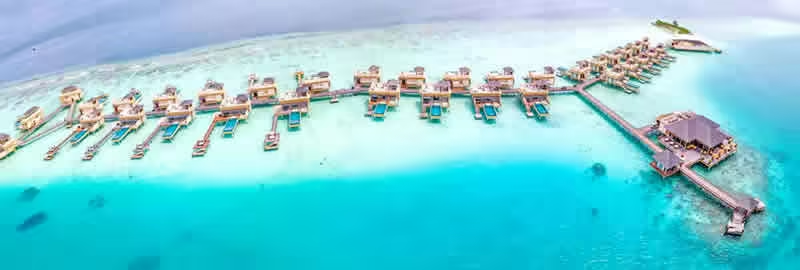
Maldives Luxury Guide
Here's the best of Maldives for luxury travellers. We've compiled the finest recommendations of places to stay, ranging from the most celebrated five-star resorts to luxurious private islands Read More
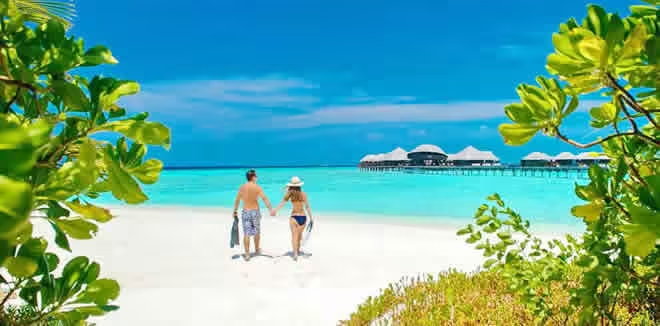
Maldives Romantic Guide
The ultimate ‘flop and drop' and honeymoon destination, the Maldives is the playground for the most amazing and finest utilization of each second of this extremely valuable and hopeful time with each other in tota Read More
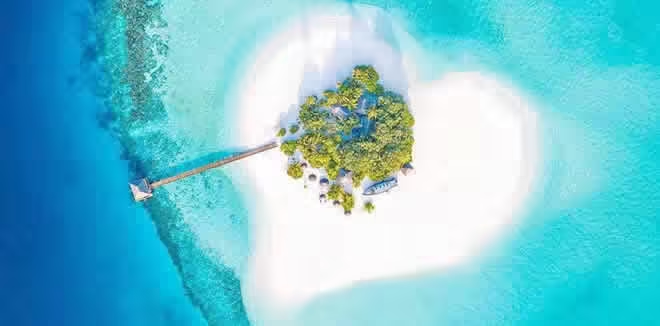
Maldives Budget Guide
Budget travellers choose Maldives as their destination of choice thanks to the variety of affordable stays Read More
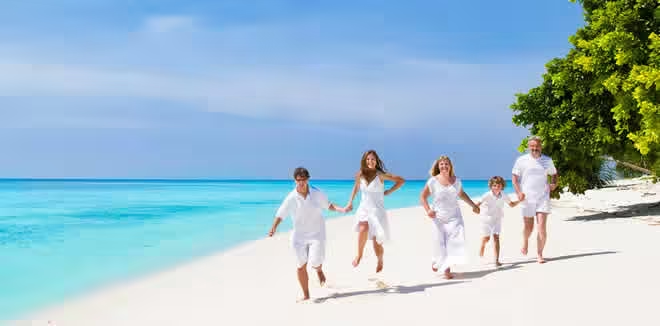
Maldives Family Guide
Maldives - a name that became synonymous with honeymooners' paradise in the tourism world, has slowly Read More

Maldives Diving Guide
The life of these paradise islands below the Indian Ocean's level is the main draw attracting thousands of divers Read More