
The Ultimate Guide to Snorkeling Amilla Maldives' House Reef in the UNESCO Biosphere Reserve
Discovering Amilla's House Reef: A UNESCO-Protected Snorkeling Paradise
February, 2026
Imagine slipping into the warm, turquoise waters directly from your villa's deck and floating above a living kaleidoscope. At Amilla Maldives, this isn't just a daydream—it's a daily reality. Located in the heart of the UNESCO World Biosphere Reserve of Baa Atoll, the resort is a gateway to one of the most pristine and biodiverse marine environments on the planet.
Here, the house reef is not just an amenity but the centerpiece of the island, home to over 250 species of fish and a stunning array of coral formations. This guide will take you beneath the surface of Amilla's aquatic wonderland, offering everything you need to know for an unforgettable snorkeling adventure that blends luxury with profound natural beauty.


Why Amilla's Reef is a Snorkeler's Dream
Amilla's location sets the stage for an extraordinary underwater experience. The resort is built on a 23.5-hectare natural island, where lush vegetation meets white-sand beaches and crystal-clear waters. Unlike many developed islands, Amilla has preserved much of its native landscape, and this respect for nature extends seamlessly into the ocean.
The house reef is easily accessible from multiple points, including directly from the decks of the Ocean Reef Water Villas and several spots along the beach. One of its most unique features is a natural "Blue Hole" formation—a deep, circular patch in the reef that offers a mesmerizing and slightly different snorkeling experience not found at many other resorts.
This accessibility means you can explore at your own pace, whether you're enjoying a quick morning swim or a leisurely afternoon float.
A Sanctuary Within a Sanctuary
The Baa Atoll UNESCO Biosphere Reserve is a globally recognized area of exceptional ecological importance. Designation as a Biosphere Reserve means the atoll is a site for testing and demonstrating approaches to combining conservation with sustainable development. Amilla operates as a steward within this protected zone. Its reef is part of a larger, thriving ecosystem that includes the world-renowned Hanifaru Bay, a seasonal gathering spot for massive congregations of manta rays.
What You'll See: A Living Marine Catalogue
The moment you put your face in the water at Amilla, you enter a world of breathtaking color and activity. The reef is a vibrant, bustling metropolis of marine life.
Coral Gardens
The foundation of this ecosystem is its coral. Guests consistently report being awestruck by the variety and health of the formations. One recent visitor noted, "The sheer plethora of corals was breathtaking—vast gardens of stag horn, delicate brain corals in pinks and blues, and massive bommies that create an underwater landscape like a fantasy city." This thriving coral is vital, providing habitat for thousands of marine species.
Iconic Fish and Frequent Visitors
Swimming among the corals is a dazzling array of fish. Keep your eyes peeled for:
-
Reef Dwellers: Vibrant parrotfish, angelfish, clownfish in their anemones, and elusive moray eels peeking from crevices.
-
The Gentle Giants: Graceful green sea turtles and hawksbill turtles are commonly seen gliding along the reef. Nurse sharks and harmless reef sharks (black-tip, white-tip, and grey-tip) often rest on the sandy bottoms or patrol the reef's edge.
-
The Stars of the Show: If you're lucky, you might spot the majestic and curious Napoleon wrasse. As one fortunate snorkeler shared, "We were followed by a magnificent, meter-long Napoleon fish for nearly twenty minutes. Its intelligent eyes seemed to be studying us just as much as we were admiring its beautiful blue-green scales."
Common Marine Life at Amilla's House Reef
| Category | Species You Might See | Best Spot / Time |
|---|---|---|
| Coral | Staghorn, Brain, Table, Boulder Corals | Across the entire reef slope |
| Turtles | Green Sea Turtle, Hawksbill Turtle | Reef edge & seagrass patches |
| Reef Sharks | Black-tip, White-tip, Grey-tip Reef Shark | Deeper channels & reef drop-offs |
| Other Fish | Parrotfish, Angelfish, Napoleon Wrasse, Clownfish | Coral gardens & blue hole |
| Special Sightings | Eagle Rays, Spotted Eagle Rays | Over sandy patches (year-round) |
The Magic of Hanifaru Bay (Seasonal)
While not part of the house reef, no guide to snorkeling at Amilla is complete without mentioning Hanifaru Bay. A short boat trip away, this marine protected area is one of the world's largest feeding stations for manta rays. From May to November, when conditions align, scores of these gentle giants can be seen barrel-feeding on plankton in a spectacular natural ballet. Amilla organizes guided excursions to this unforgettable site.
Beyond Snorkeling: Diving and Unique Marine Adventures
For those looking to dive deeper, Amilla's PADI 5-star dive center, the H.U.B. (Home of Underwater Breathing), offers courses and guided dives to explore the atoll's best sites.
For a truly magical experience, ask about night snorkeling. As described by one guest, the reef transforms after dark: "With our torches, we saw flamboyant lionfish, cryptic lobsters, and sleeping parrotfish wrapped in their transparent mucus cocoons. When we turned off the lights, the bioluminescent plankton sparkled around us like underwater stars."
Snorkeling with a Purpose: Amilla's Commitment to Conservation
Snorkeling at Amilla feels pristine because the resort is deeply invested in keeping it that way. Their philosophy of sustainable luxury means your enjoyment directly supports ocean conservation.
-
Active Reef Regeneration: The resort doesn't just protect the reef; it actively repairs it. Through a coral planting program, marine biologists and the sustainability team fix naturally broken coral fragments onto metal frames, which grow into new colonies that help "patch up" the reef.
-
Scientific Partnerships: Amilla collaborates with the Atoll Marine Conservation Centre, with an on-site marine biologist supporting turtle nesting monitoring, population studies, and rescue programs.
-
Sustainable Operations: From a desalination plant that eliminates plastic water bottles to banning plastic straws and using amenities made from ocean-bound plastics, every operational detail is designed to minimize impact.
This commitment has been recognized with prestigious certifications, including EarthCheck Gold.
Planning Your Snorkeling Trip to Amilla
Best Time to Visit: The Maldives is a year-round destination. For the calmest seas and optimal underwater visibility, target the dry season from November to April. If witnessing the manta ray aggregation at Hanifaru Bay is a priority, plan your visit between May and November.
What to Bring: While the resort can provide high-quality snorkeling gear, many enthusiasts prefer their own mask and snorkel for a perfect fit. Don't forget reef-safe sunscreen to protect both your skin and the delicate corals.
Accessibility: True to its inclusive ethos, Amilla has made significant efforts to ensure marine experiences are accessible. The resort holds the premier Inclucare certification and has developed thoughtful accessibility features, demonstrating that the wonders of the reef are for everyone.
Your adventure into the blue begins with a 30-minute scenic seaplane flight from Malé International Airport, landing you in a world where luxury and wilderness exist in perfect harmony.
Ready to answer the call of the reef? Book your stay and begin planning your ultimate snorkeling journey in the UNESCO Biosphere Reserve. For a truly immersive experience, inquire about their guided snorkeling excursions and marine biology presentations to deepen your connection with this incredible underwater world.
BOOK NOW👨👩👧👦🆚💬 2‑Bedroom Beach Villa vs Tree Top House: Which Amilla Villa Wins for a Family of 4?
Amilla Villa Face‑Off: Beach vs Tree TopRelated Stories:
- Maldives Marine Life Encounters: When and where to witness this species
- Is Baa Atoll the Best Snorkeling in the World? 7 Spots to Explore
- The Ultimate Diver's Guide to the Sun Siyam Vilu Reef House Reef
- Diving Constance Moofushi House Reef: The Ultimate Guide
- House Reef vs. Boat Trip: How to Smartly Allocate Your Snorkeling Time & Budget
- Diver's Budget Guide to the Maldives: Liveaboards vs. Local Island Dive Centers
- Liveaboard vs Resort Diving Maldives: Pros, Cons, and How to Choose
- The Ultimate Maldives Snorkeling Guide

2025 Maldives Resort Trends: What’s New for Multi-Generational Travel?
New Openings & Multi-Generational Family Travel Guide
Read More
Best Maldives Resort Offers & Packages
Find out more about the most unparalleled Maldives hotel deals and special rates, when Book Direct your next beach holiday
Read More
Maldives Hotel Reviews
Some of the best hotels and resorts in the Maldives are already included in this list, and the good part of them offers the best prices. We will constantly add new hotels
Read More
Maldives First Time Visitor Guide: Essential Tips & Insight
Welcome to our comprehensive guide for first-time visitors to the Maldives!
Read More
The Most Anticipated Openings in the Maldives 2025/26
Dive in to explore what makes these luxury Maldives openings 2025/26 so special
Read More
Maldives Liveaboards Guide: Itineraries, Tips & Best Boats
Plan your Maldives liveaboard trip with our expert guide! Compare itineraries, costs, and boats.
Read More
Maldives Luxury Guide
Here's the best of Maldives for luxury travellers. We've compiled the finest recommendations of places to stay, ranging from the most celebrated five-star resorts to luxurious private islands Read More
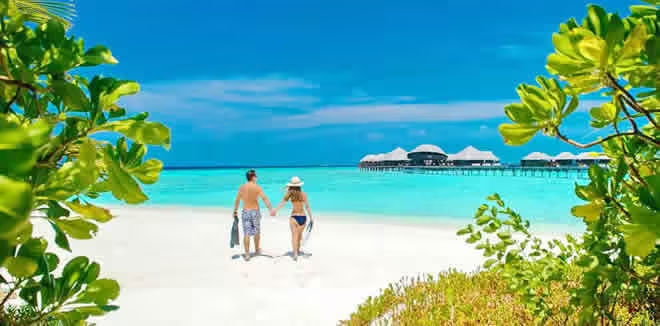
Maldives Romantic Guide
The ultimate ‘flop and drop' and honeymoon destination, the Maldives is the playground for the most amazing and finest utilization of each second of this extremely valuable and hopeful time with each other in tota Read More
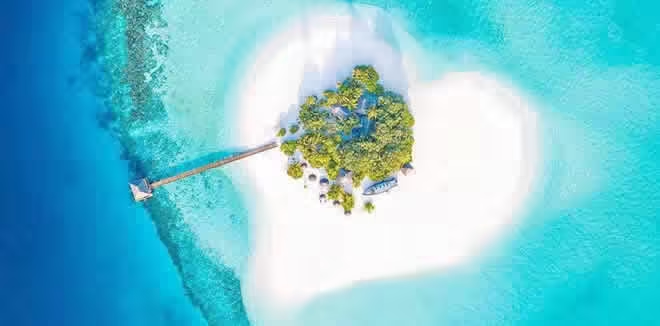
Maldives Budget Guide
Budget travellers choose Maldives as their destination of choice thanks to the variety of affordable stays Read More

Maldives Family Guide
Maldives - a name that became synonymous with honeymooners' paradise in the tourism world, has slowly Read More

Maldives Diving Guide
The life of these paradise islands below the Indian Ocean's level is the main draw attracting thousands of divers Read More